
Pureva
Dry flue-gas treatment a small plant can run.
A two-chamber adsorption tower for boiler and furnace flues. Trays of the patented powder bind SO₂, NOx, CO and CO₂. No water, no effluent, no high voltage.
For: MSME plants with boilers, furnaces, ovens and process exhausts; resin, chemical, food and metal processing
Bought as: Tower with AMC and adsorbent supply, sized from your stack monitoring report
What it does
Conventional stack treatment is a chain: a scrubber that makes effluent, an electrostatic precipitator at tens of thousands of volts, a bag filter, a catalytic unit. An MSME boiler house cannot carry that chain, so consent conditions get missed.
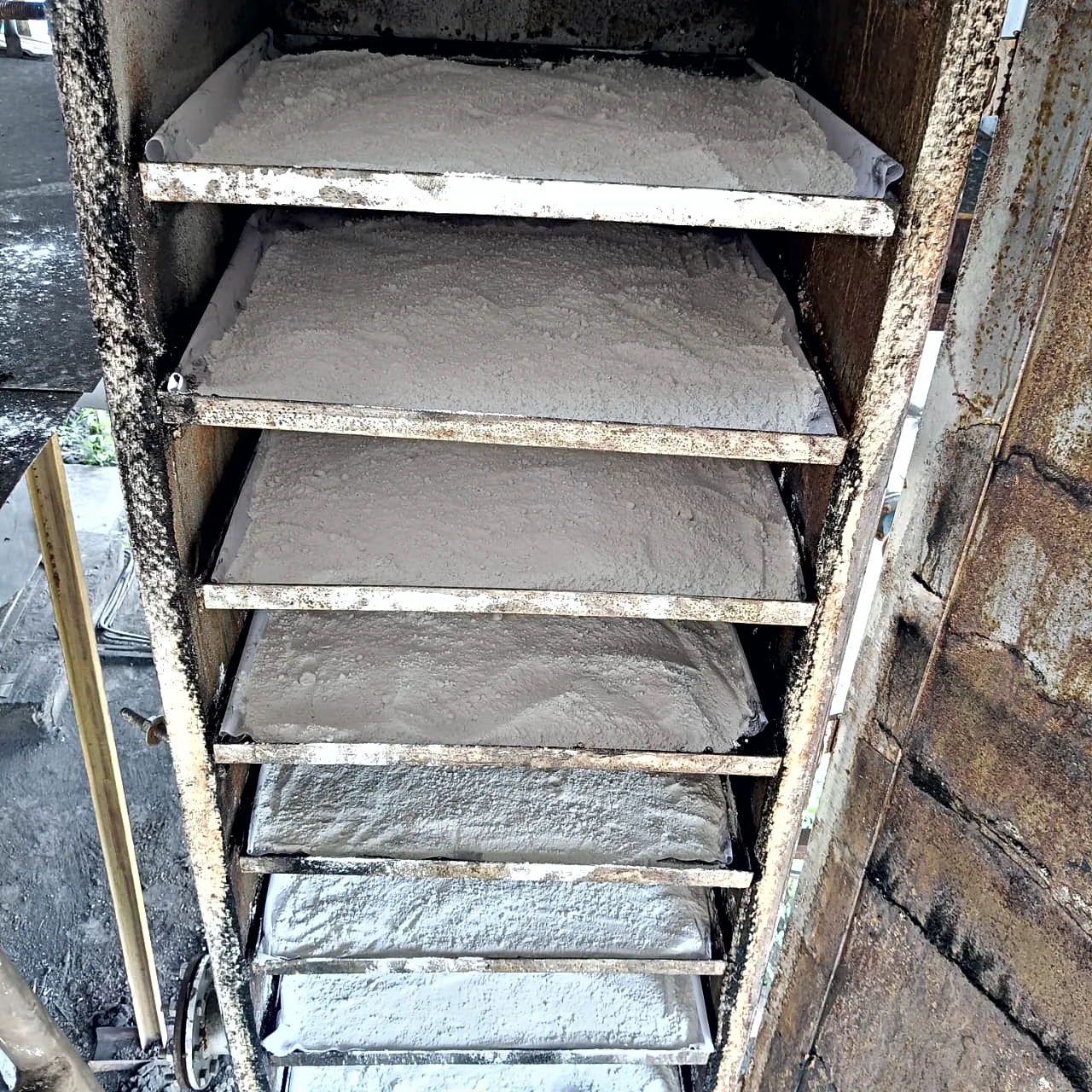
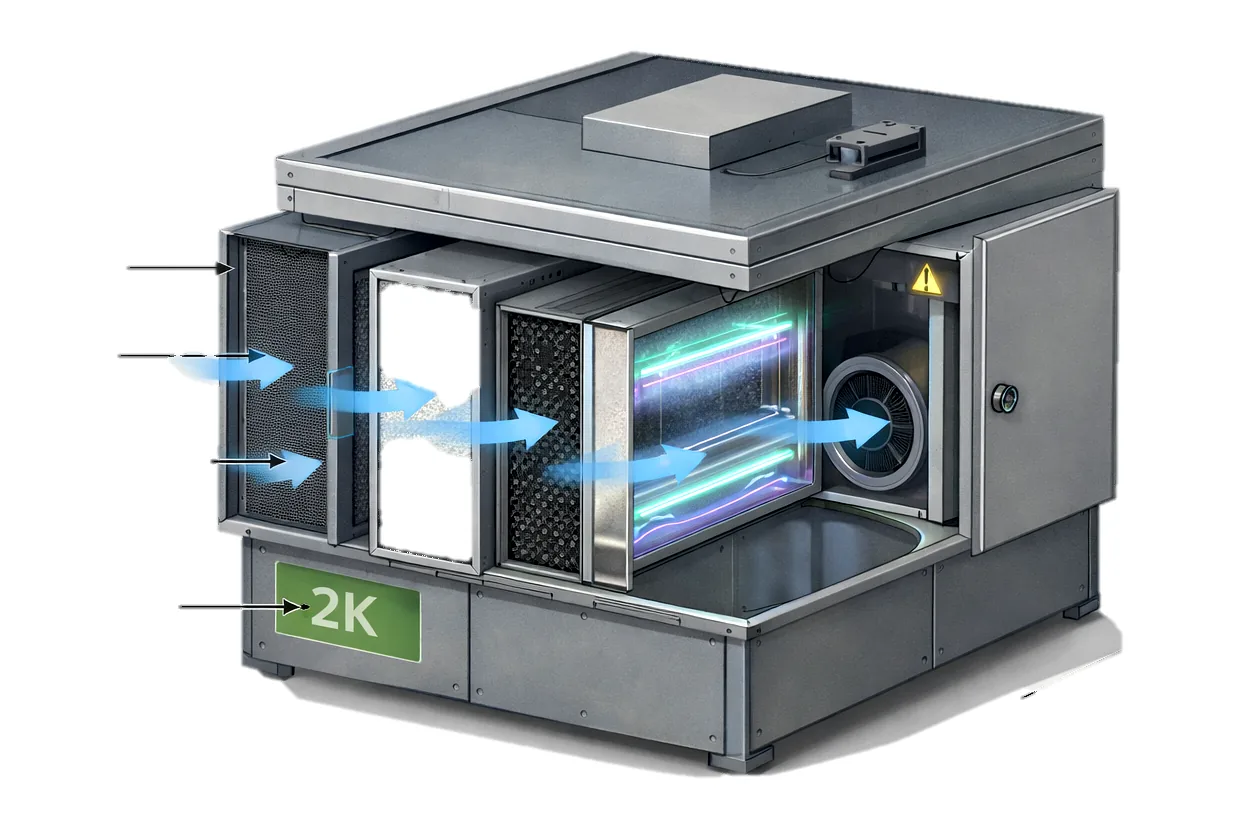
Pureva is one dry tower. Flue gas passes over trays of adsorbent that bind the acid gases and carbon oxides. Two chambers alternate, so one works while the other is changed. The only utility is a blower.
Why it is different
- One tower in place of scrubber, precipitator and catalytic stages on a small stack.
- Dry process: no water, no effluent, no ammonia slip.
- Low capital and running cost: a blower and a powder change.
- Retrofits to an existing stack; serviced through an AMC and adsorbent supply.
Specification
Key figures
- Treats
- Boiler, furnace, oven and process exhaust
- Captures
- SO₂, NOx, CO, CO₂ and particulates
- Principle
- Dry multilayer adsorption, dual alternating chambers
- Media
- Bhagirath patented adsorbent powder on trays
- Utilities
- Blower only, no water, no high voltage
- Spent media
- Trays removed on schedule; disposal route per the site’s waste authorisation
- Retrofit
- Fits an existing stack with ducting adaptation
- Monitoring
- Inlet and outlet gas analysis
How it works
Four stages, one pass
Flue gas in
Exhaust is ducted from the stack into the working chamber.
Multilayer adsorption
Gas passes over trays of adsorbent; acid gases and carbon oxides bind.
Chambers alternate
When one chamber saturates, flow switches and the first is reactivated.
Clean gas out
Treated gas returns to the stack; spent powder is replaced on schedule.
Status & evidence
Installed and measured
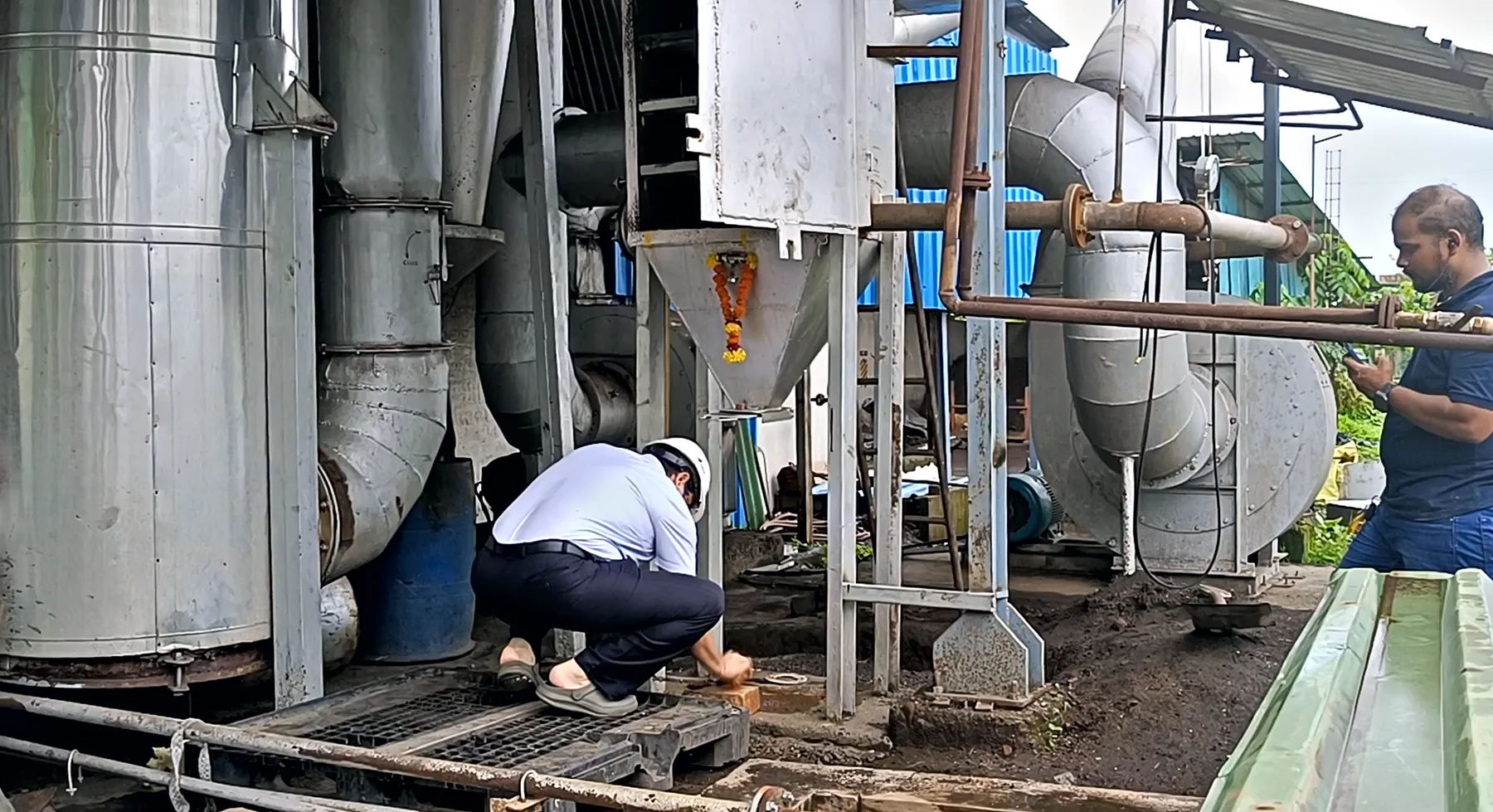
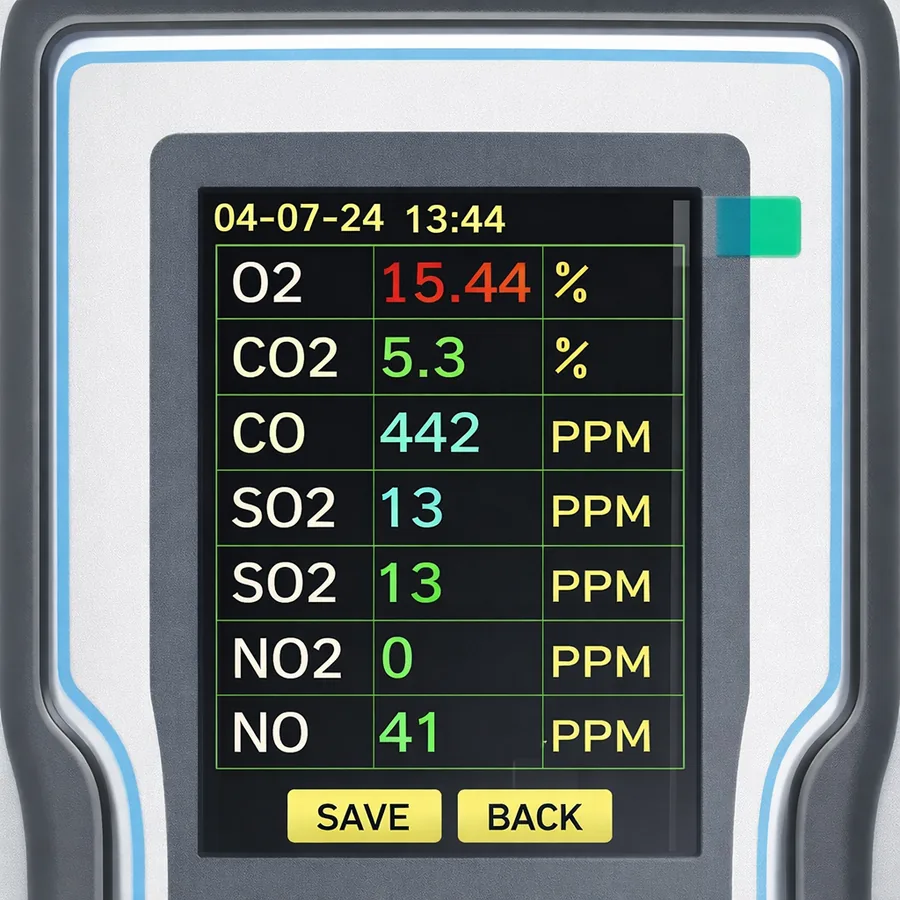
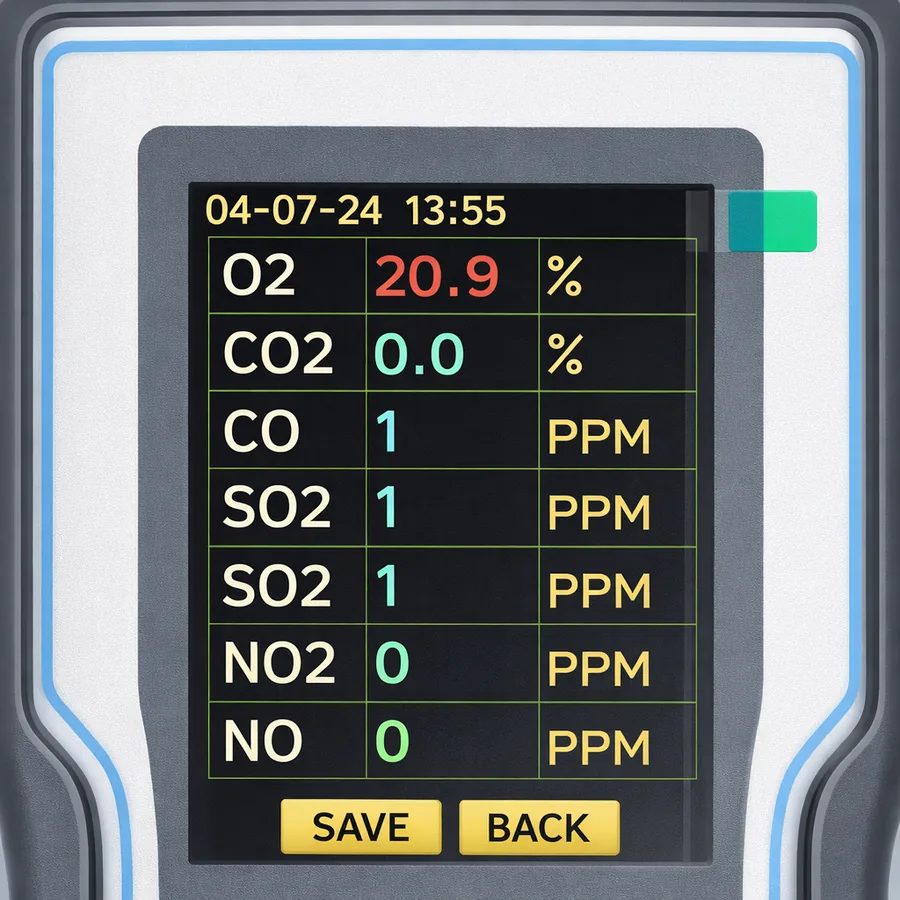
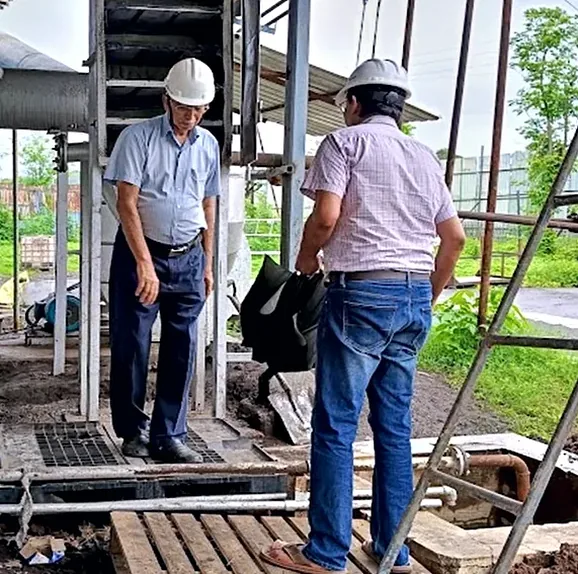
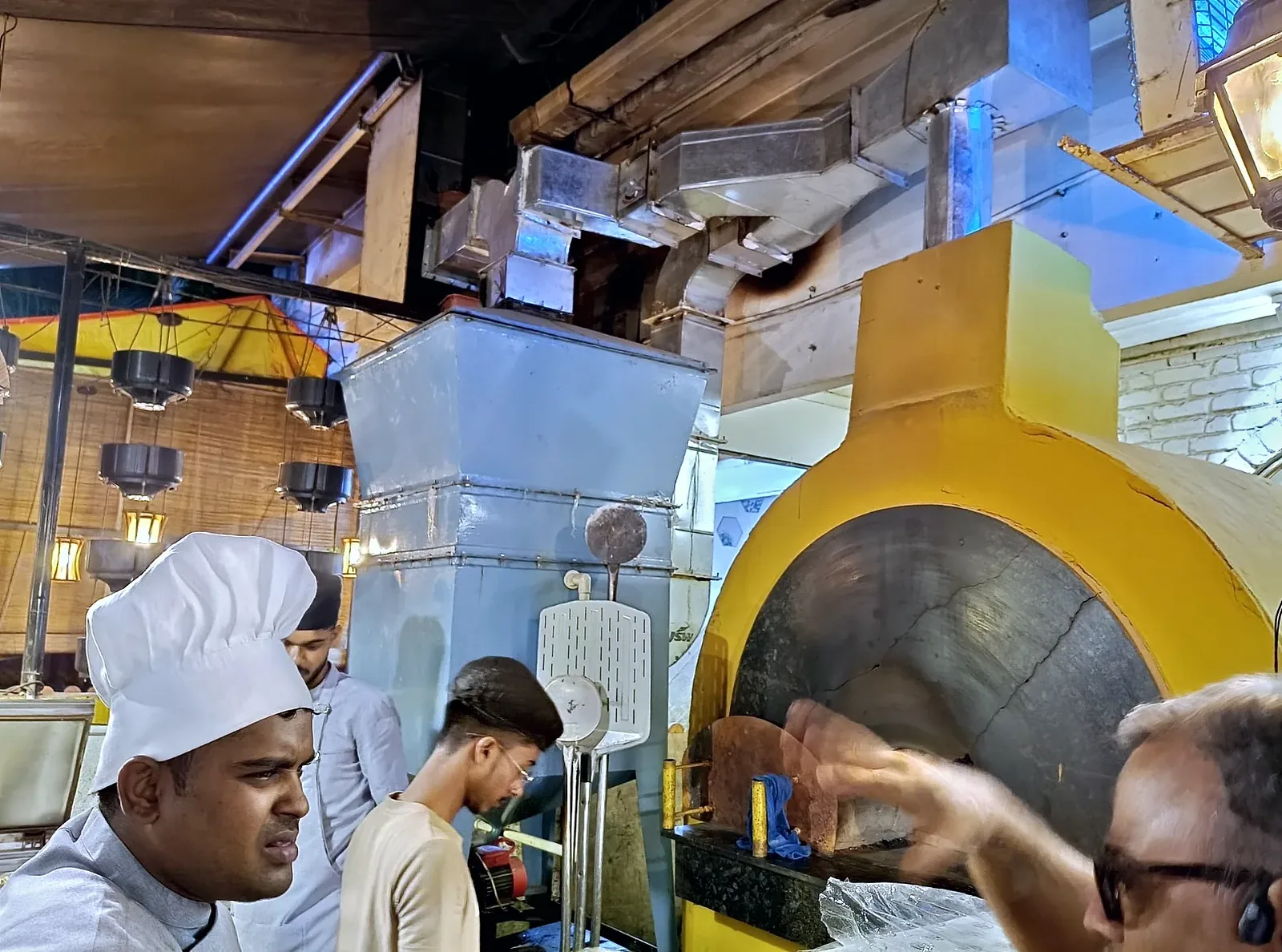
The first Pureva unit was installed on the flue of Romit Resins Pvt Ltd in Pali, Maharashtra, in July 2024. Inlet and outlet readings were taken with a handheld flue-gas analyser on several days.
On 4 July 2024 the analyser read, inlet to outlet: CO 442 → 1 ppm, CO₂ 5.3 → 0.0 %, SO₂ 13 → 1 ppm, NO 41 → 0 ppm, O₂ 15.4 → 20.9 %. Values as displayed on the instrument; the full series is on the Evidence page.
Commercial model
How it is bought
Priced per site after sizing. Every supply comes with an annual maintenance contract (AMC) option and a measurement plan, so you see inlet and outlet readings for your own installation.
- Tower, ducting retrofit and commissioning, sized per stack
- AMC with scheduled adsorbent supply and tray changes
- Inlet/outlet stack testing to support your SPCB consent file
- Custom retrofits for unusual stacks
Questions we get
How long does the adsorbent last?
In the first installation, one charge of trays worked for about a month before removal efficiency started to fall. Intervals are set per site from the measured gas load.
Is the spent powder hazardous?
The adsorbent is made from naturally available minerals. The intended routes for spent material are land application or cement products; the route for your site is fixed with you under your waste authorisation.
Can it handle my gas volume?
Pureva is sized per stack. Send your boiler or furnace rating, the fuel and the last stack monitoring report, and we will size a unit.
Will it help with my consent to operate?
We give you inlet and outlet readings for your own stack and the service records. Whether the stack meets its consent limits is decided by the SPCB-approved laboratory test; we support that test.
What about the algae chamber?
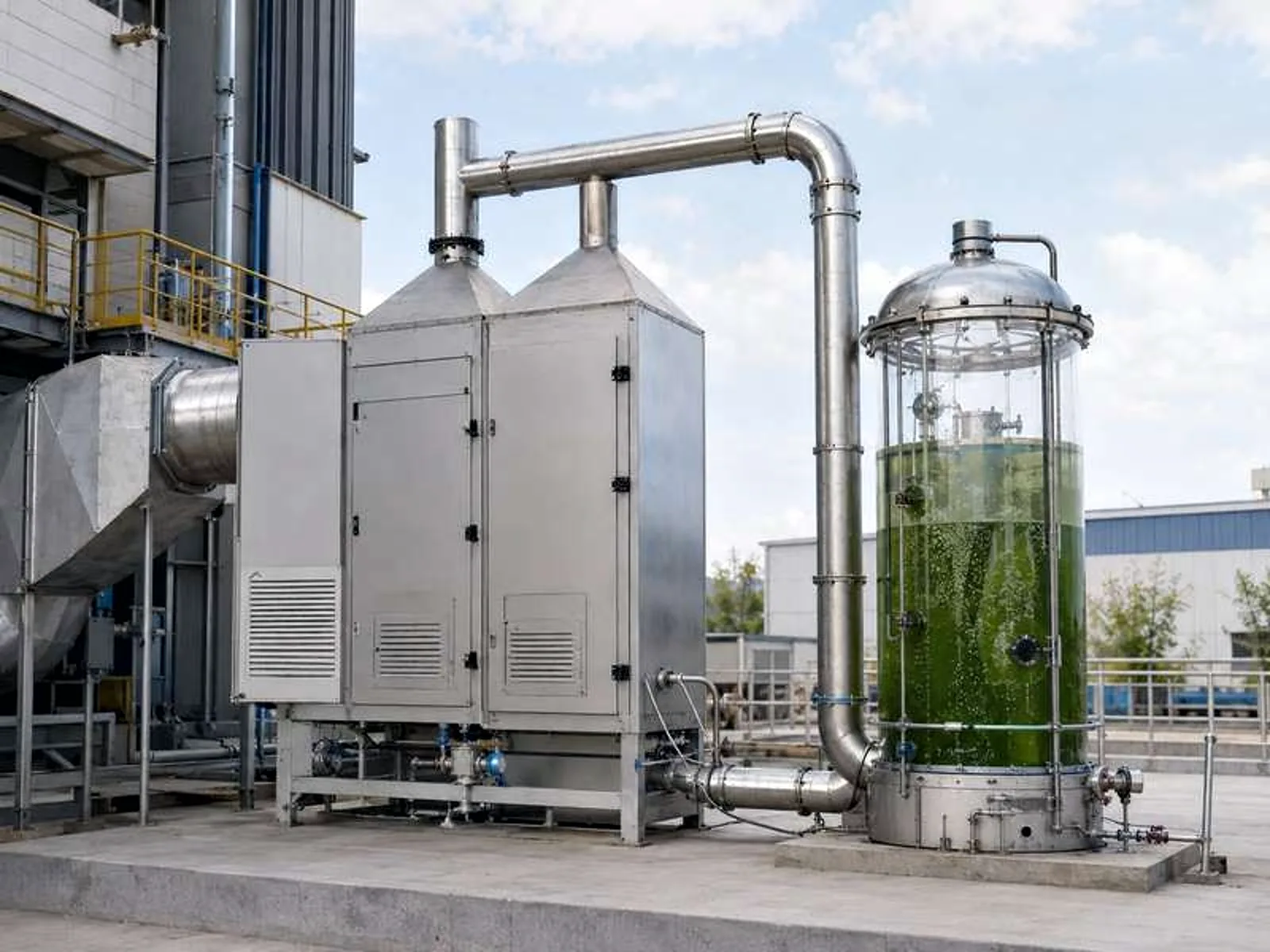
We are researching a “green chamber” in which released CO₂ and NOx feed an algae culture. It is a research workstream, not part of the installed product.
Gallery
More views
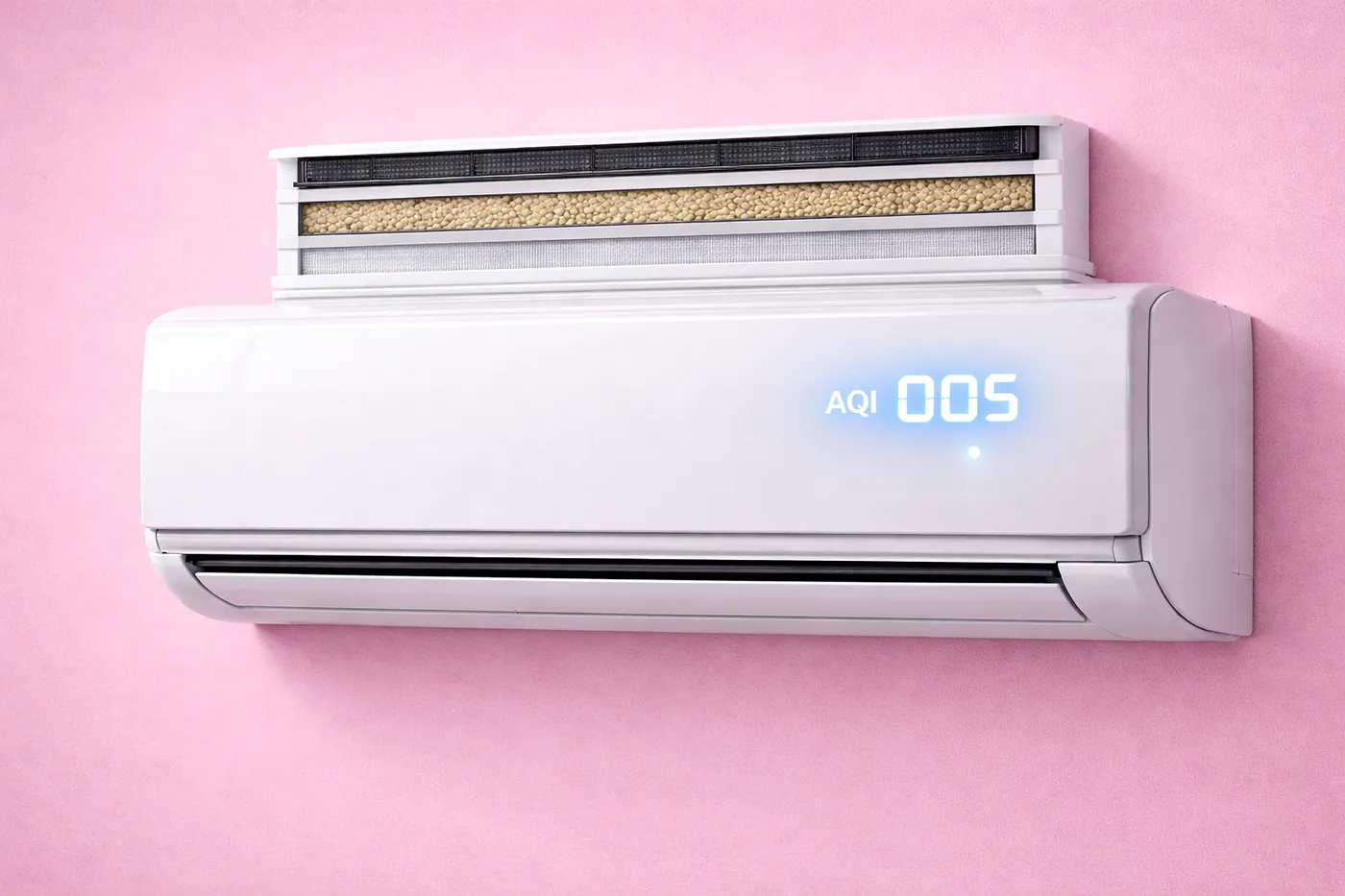
 Concept render
Talk to us about Pureva
Send your site details or a stack report. We reply within two working days.